
data centre enabling works · civil engineering · earthworks · duct banks · data centre construction
What Counts as Enabling Works on a Data Centre Site?
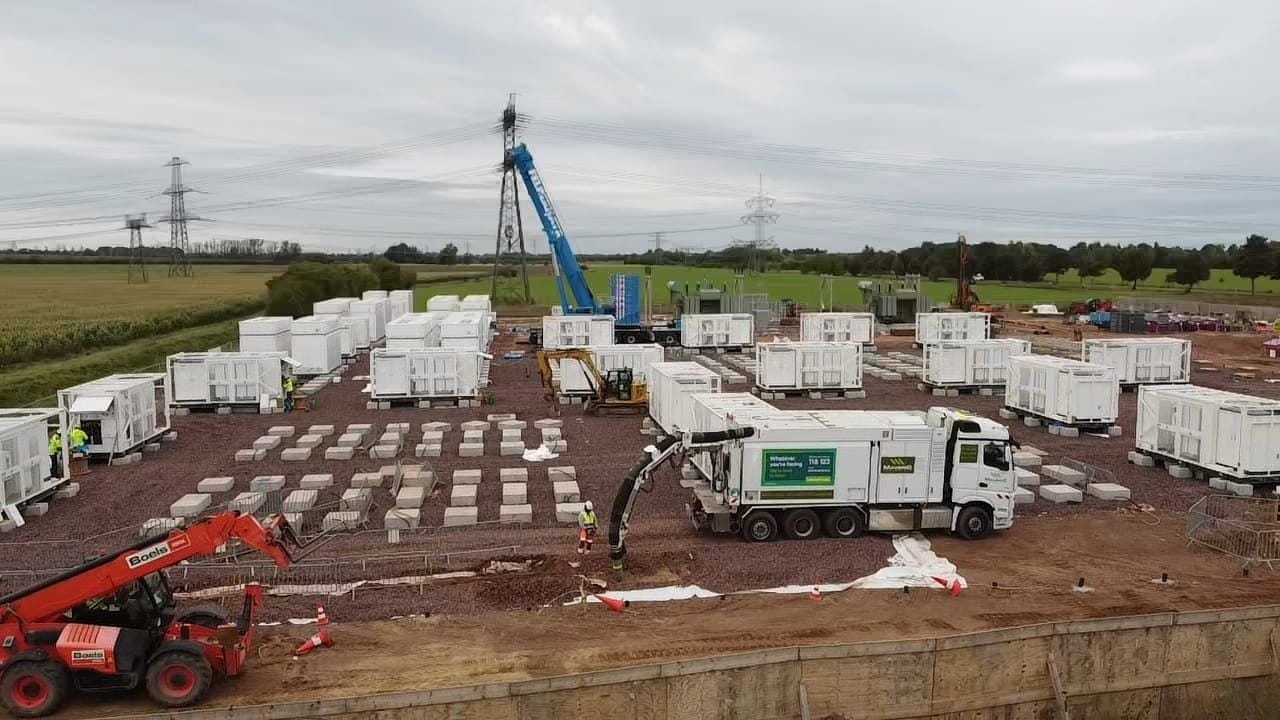
Enabling works is one of the most used and least precisely defined terms in data centre construction. To a developer it might mean everything that happens before the building contractor mobilises. To a main contractor it might mean a specific package in the programme. To an operator reading a tender return, it can be unclear where enabling works stop and the main build starts, which makes it hard to compare bids or hold anyone accountable for gaps between packages. This article sets out what data centre enabling works genuinely cover, package by package, so developers, main contractors and operators can scope, specify and compare them with confidence. It draws on Maveric Contractors' experience self-delivering enabling works across data centre, substation and grid, and BESS sites in Ireland, Germany and Norway.
1. Enabling Works, Defined
Enabling works are the preparatory civil and structural activities that turn a site of land into a platform ready for the main data centre build, everything from site clearance and ground stabilisation through to the underground services, drainage, access and hardstanding a facility depends on before a single server hall foundation goes in. The scope sits before the building contractor's programme starts but is rarely a single, simple task. On a live data centre campus it typically spans several distinct civil packages, each with its own design inputs, sequencing and interfaces with the rest of the site.
2. Site Clearance, Ground Stabilisation and Earthworks
The first physical work on most sites is clearance and bulk earthworks: stripping topsoil, excavating and grading to the design levels, and compacting the platform so it can carry the loads a data centre campus generates, from generator pads and transformer bases through to the building foundations themselves. On a campus-scale site this usually involves balancing cut and fill across the platform, moving material within the site where ground conditions allow rather than importing or exporting more than necessary, and dealing with any ground remediation the geotechnical survey identifies before the platform is signed off as build-ready.
3. Underground Services: Ducting, Duct Banks and Utility Diversions
A data centre campus depends on dense underground infrastructure: HV and LV cabling, fibre and telecoms ducts, cooling water lines, and fuel pipelines where on-site generation is involved. Much of this runs through duct banks, engineered runs of conduit encased or bedded to protect the cables inside and to keep future access possible without repeated excavation. Where the site already has existing services running through it, safe utility diversions are part of the same package: locating what is already there, and diverting or protecting it before the new campus infrastructure goes in around it.
4. Drainage, Bunding and Environmental Containment
Surface water management, foul and storm drainage, and any bunding or containment required around fuel storage or generation zones are core enabling works, not an afterthought layered on at the end. Getting this sequenced correctly, so drainage is in before hardstanding is poured over it, avoids costly rework later in the programme.
5. Foundations, Hardstandings and Access
Enabling works typically also include the reinforced concrete foundations and hardstandings for generators, transformers and switchgear, along with the access roads and turning circles that let maintenance vehicles and fuel tankers reach those assets throughout the facility's operating life, not just during construction.
- - Bulk earthworks, grading and ground compaction - Underground ducting, duct banks and utility diversions - Drainage, bunding and environmental containment - Concrete foundations and hardstandings for generation and switchgear - Access roads, turning circles and temporary works
6. Where the As-Built Record Fits In
A package of enabling works is only as useful to the operator as the record it leaves behind. Every duct, drain and diversion installed during enabling works needs to be captured accurately, because the main build, and the facility's operational life afterward, depends on knowing exactly what is beneath the ground. Maveric captures the services and civil infrastructure it installs into its in-house digital backbone as work progresses, so the as-built record handed over at completion reflects what was actually built, not just what was designed, under management systems aligned to ISO 45001 / 14001 / 9001.
7. Why the Scope, and Who Delivers It, Matters
Because enabling works spans so many distinct disciplines, earthworks, ducting, drainage, concrete and access, it is common for the package to be split across several specialist subcontractors. Every split point is a place where sequencing, records and accountability can fall between two companies rather than sitting with one. Maveric self-delivers enabling works as a single civil scope across data centre, substation and grid, and BESS sites in Ireland, Germany and Norway, using its own crews and plant rather than a chain of subcontractors, so the sequencing, safety and as-built record stay with one accountable team from clearance through to handover.
Frequently asked questions
Q: What is included in data centre enabling works?
Typically site clearance and bulk earthworks, underground ducting and duct banks, drainage and environmental containment, concrete foundations and hardstandings, and access roads, delivered before the main building contractor's programme starts.
Q: Is enabling works the same as civil engineering?
Enabling works is a subset of civil engineering focused on preparing a site for the main build. It sits alongside other civil scopes, such as structural foundations for the buildings themselves, which may run concurrently or follow on afterward.
Q: Why does cut and fill balance matter on a data centre campus?
Balancing cut and fill within the site reduces how much material has to be imported or exported, which affects programme, haulage movements and how efficiently the earthworks package runs across a large campus.
Q: What is a duct bank and why is it part of enabling works?
A duct bank is an engineered run of underground conduit that carries and protects cables such as HV and LV power, fibre and telecoms. It is installed during enabling works because it needs to be in place before hardstanding and later infrastructure are built over it.
Q: Why does it matter who self-delivers enabling works?
When one contractor self-delivers the full scope, sequencing, safety and the as-built record stay with a single accountable team, rather than being split across several subcontractors handing work and information between each other.